


Twenty-one months after the Palisades Fire tore through Pacific Palisades and parts of Malibu, the area’s commercial core faces a problem that reconstruction alone can’t solve: businesses are trying to reopen in a community whose customers haven’t come back. TPR here shares a statement from Maryam Zar, CEO of the Malibu Pacific Palisades Chamber of Commerce, delivered alongside the Department of Angels and allied recovery partners as they call on Congress to provide comprehensive federal disaster recovery funding.
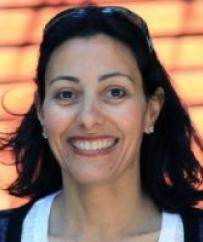
Maryam Zar | CEO, Malibu Pacific Palisades Chamber of Commerce
Nearly two years after the Palisades Fire, recovery remains uneven, underfunded, and far too dependent on the determination of individual property owners, residents, and business operators to find their own way forward.
The latest findings released by the Department of Angels underscore what many of us working in recovery already know: people are still displaced, financial pressures are mounting, and the resources necessary to restore entire communities have not kept pace with the need.
The conversation about recovery has focused heavily on rebuilding permits, applications, and approvals. Those numbers matter, but they are measures of administrative activity, not community recovery. A permit does not mean a family has returned, a business has reopened, or a neighborhood has regained its vitality.
The true measure of recovery is the return of people, jobs, businesses, services, and the quality of life that makes a community worth coming home to.
For Pacific Palisades, that requires commercial and residential recovery to advance in tandem.
Pacific Palisades had a thriving commercial ecosystem before the fire. Its merchants, restaurants, professional services, small businesses, and property owners supported jobs, provided essential services, and helped define the character of the community.
Many of the storefronts that were destroyed or damaged remain under lease. There are existing commercial relationships, tenants with an interest in returning, and business operators who want to resume serving the community. But their ability to return depends on far more than obtaining a permit.
Capital must flow to property owners and businesses. Financing must be available on terms that recognize the extraordinary circumstances of disaster recovery. Infrastructure must be restored, and merchants must have confidence that a viable customer base will return. Recovery itself will generate significant economic activity. Builders, architects, engineers, contractors, suppliers, tradespeople, professional services, financial institutions, and countless small businesses form an interconnected ecosystem that can help drive rebuilding.
We should be organizing and investing in that economic activity, not simply waiting for it to happen.
There is an opportunity to retain jobs, attract investment, restore commercial properties, and rebuild a local economy capable of supporting both returning residents and the businesses that serve them. But this will not happen at the scale or pace required through individual effort alone.
What Pacific Palisades needs is a systemic, organized, and funded recovery strategy that connects residential rebuilding with commercial revitalization, infrastructure investment, business financing, and the restoration of community life.
That means identifying the capital required to rebuild commercial properties, creating accessible financing for small businesses, coordinating infrastructure improvements, and establishing priorities that reflect how communities actually recover--not simply about restoring what was lost physically, but restoring confidence. Confidence that families can return, that businesses can reopen, that workers can find employment, and that Pacific Palisades will again offer the quality of life that brought people here in the first place.
Nearly two years after the fire, federal investment is needed to bridge the gap between individual rebuilding efforts and the larger public investments necessary to restore community infrastructure, economic activity, and neighborhood vitality. The Department of Angels and its partners have been instrumental in keeping these realities before policymakers and the public. Their continued advocacy for meaningful federal disaster recovery funding, including Community Development Block Grant Disaster Recovery (CDBG-DR) resources, is essential.Those are the measures that will tell us whether recovery is working.
Pacific Palisades does not simply need to be rebuilt. It needs to be restored as a living, working, economically viable community. That requires a recovery effort equal to the scale of the disaster: coordinated across government, supported by public and private capital, responsive to residents and businesses, and focused on bringing people home.
The buildings must rise. The capital must flow. The businesses must return. And the people will follow—not simply because their houses are rebuilt, but because the community they call home has been restored.
- Log in to post comments